Ball Ground, Georgia
Water Damage in Ball Ground, GA: New Homes, Old Downtown
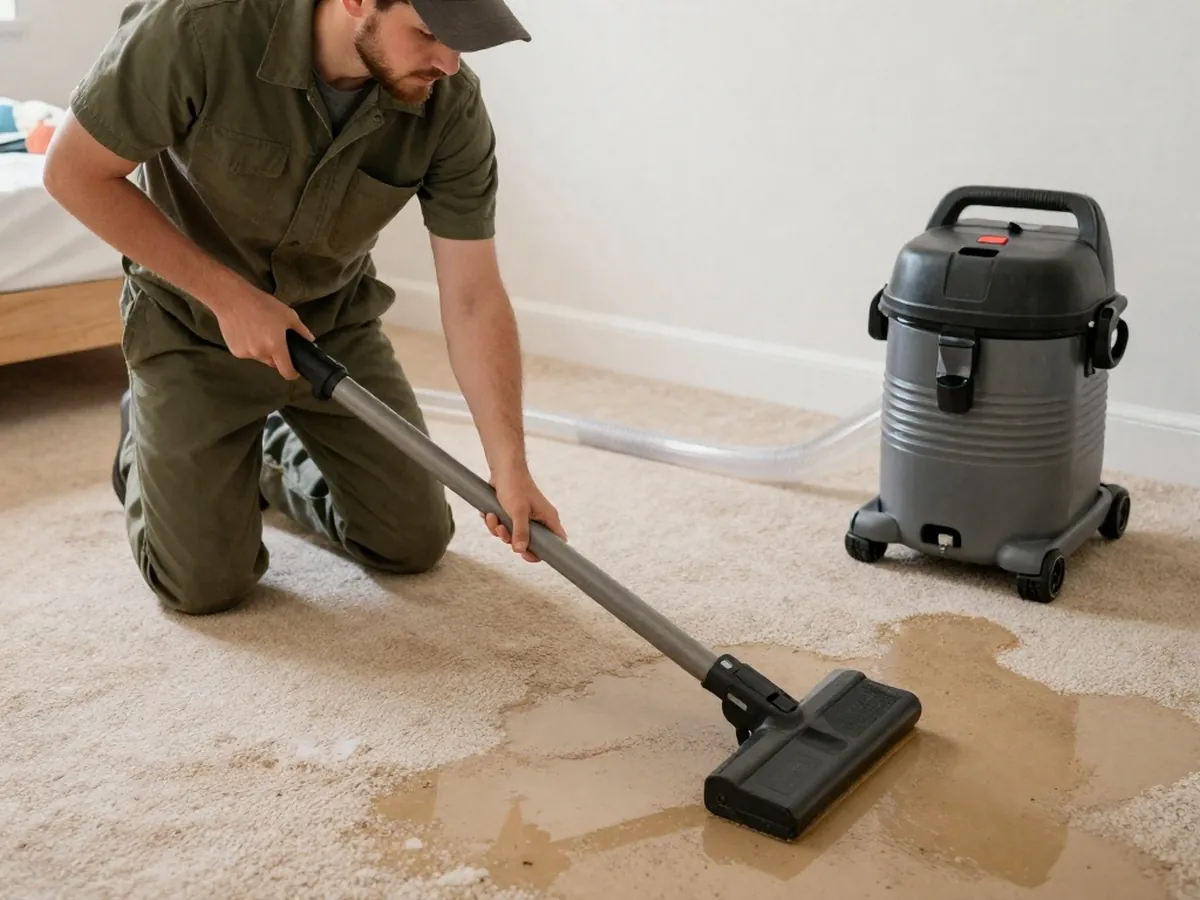
Is the water in a newer subdivision house or one near the old downtown? Ball Ground has both, and the plumbing behind the walls is not the same age. If floors are soaked, start with water extraction and drying. Have the street address and the wet room ready, then call (678) 899-6694.
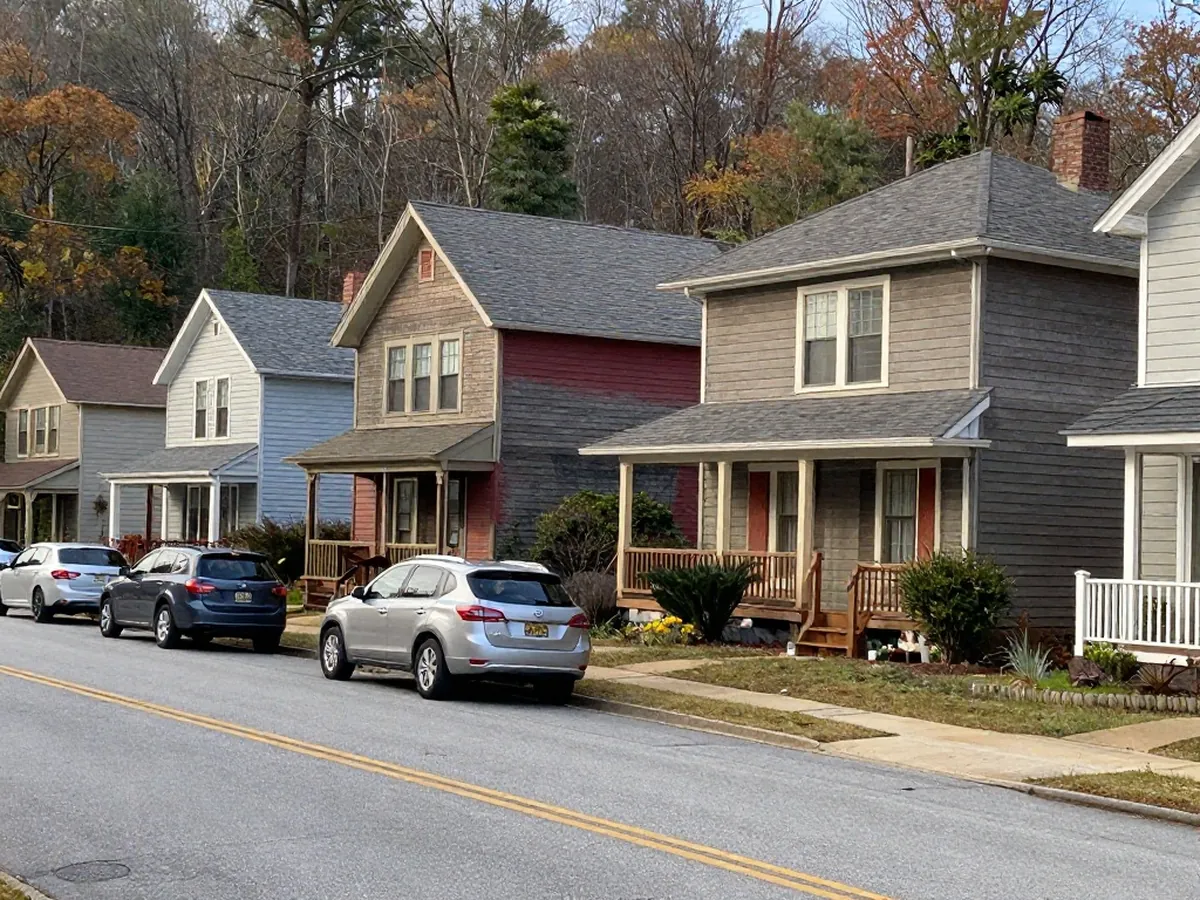
The houses in town
The state's 2023 plan update for Ball Ground counts 2,560 residents in 2020, up from 1,433 in 2010 and 730 in 2000. It puts occupancy near 95 percent, with about 76 percent of occupied homes lived in by their owners, mostly detached single-family houses plus some townhomes and one 80-unit apartment complex. A National Historic District covers part of the historic downtown. Cherokee County's plan says most homes in the county went up after 1980 and names significant growth in new residential neighborhoods around Ball Ground. Neither plan gives a build year for a single street, so the age of the pipes behind your wall is a question for your own house.
Three plain answers
- 1
Who answers for city water in Ball Ground?
The city runs its own water system for about 1,300 households inside and outside the limits, per its water page. The page lists City Hall phones 770-735-2123 and 770-735-4552 and no after-hours number. City Hall is open weekdays, nine to five, apart from holidays.
- 2
Does Ball Ground have city sewer, or septic tanks?
Both turn up. The city's plan says sewer is available or planned in its Suburban Growth areas. Its building page sends a property more than 300 feet from sanitary sewer to the Cherokee County Health Department for a septic permit first. Septic questions go to 770-479-0444.
- 3
Who can call about a wet house in Ball Ground?
Owners and landlords with water in a Ball Ground house can call (678) 899-6694. Renters in Ball Ground pass the news to whoever owns or manages the house and let that person choose a contractor. Have the street address, the wet room, a rough start time and whether the water looks clean or came up from a drain.
Rain at Ball Ground's own gauge
NOAA's 1991-2020 normals include a Ball Ground station (USC00090603, 34.33 north, 84.47 west). It records 53.90 inches of rain in a typical year. The wettest month is July, at 5.19 inches, and the driest is June, at 3.62, with January (5.11) and December (4.99) close behind, so winter is wet here too. Heavy-rain days, those with at least an inch, swing from 0.9 in May up to 1.7 in March. The station records rain only, and readings at your address can differ.
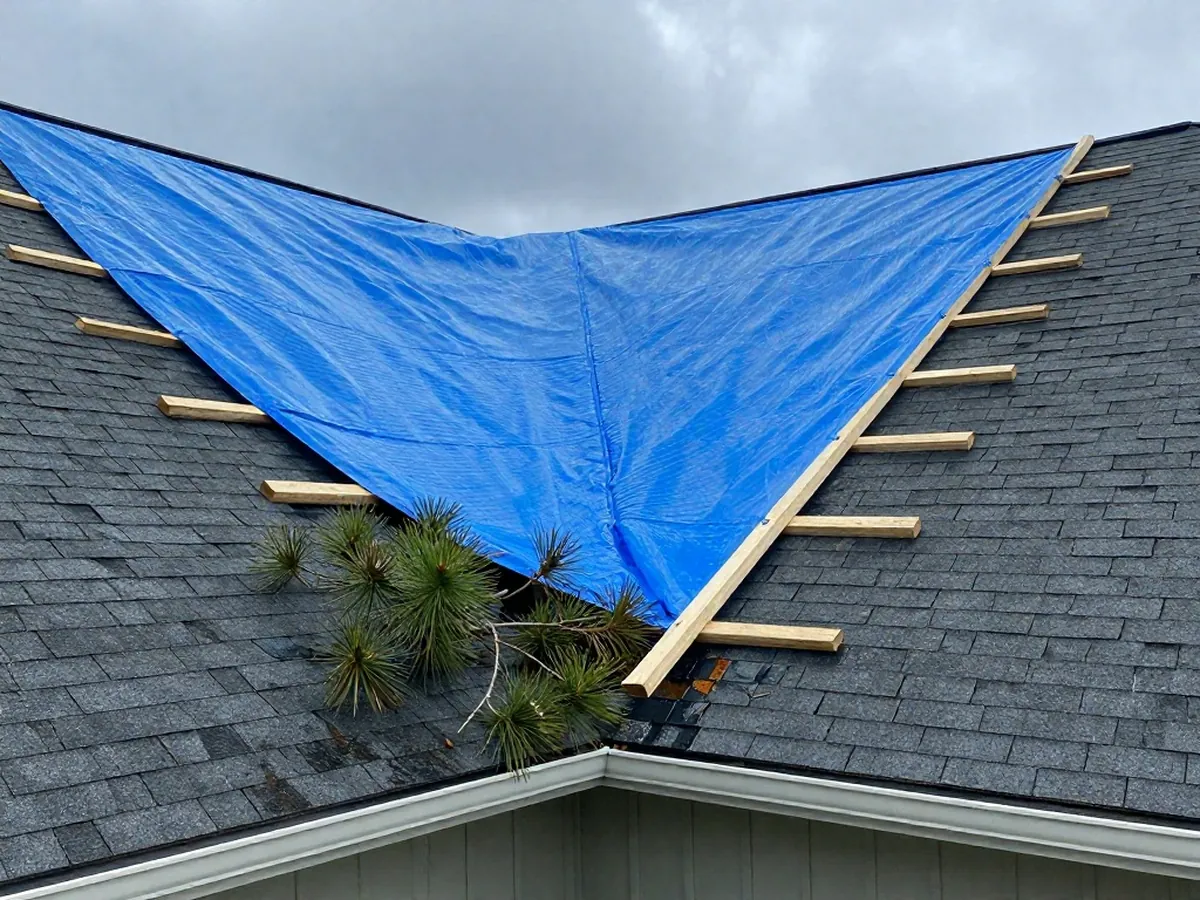
Have this in hand
What helps when the phone is answered
Start with the street address, and add the unit number if several homes share the lot. Then the wet room, the time you first saw water, and whether it looked clean or rose from a drain. Photographs taken from the doorway help. If you own the house or rent it out, call (678) 899-6694 with those notes in hand; a tenant begins with the person who manages the building.
Up the road: Nelson, Waleska and Holly Springs
The same contractor takes calls from three more towns. Nelson's notes cover a city that lies in two counties. Waleska's notes cover a water system that buys all of its water. Holly Springs notes begin with a City Hall phone line. The four-town overview sets them side by side.
Gather the street address, the room that is wet and roughly when it started. A renter's news goes first to the person who manages the building, not to the line. The line covers Ball Ground, Nelson, Waleska and Holly Springs. When you are ready, call (678) 899-6694.