8 to 10: water at the panel or outlets, a furnace or water heater in the water, a gas smell, a running generator indoors or sewage in the mix. Use the list above and keep out of the basement.
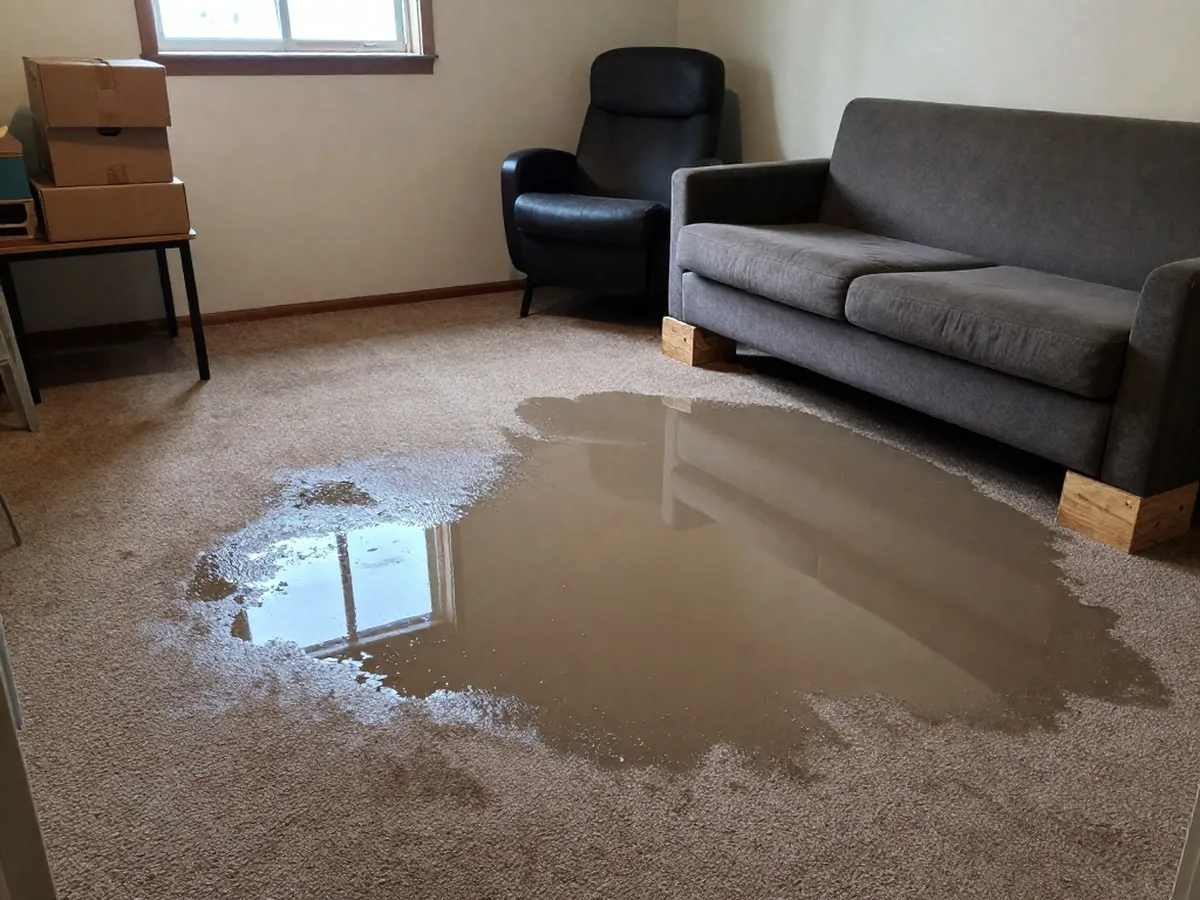
Wet basements and crawl spaces in Ball Ground
Flooded Basement Help in Ball Ground, GA
A flooded basement or wet crawl space in Ball Ground, GA usually follows heavy rain, a sump pump that quit or a line that broke below the main floor. Call (678) 899-6694 with the water's depth and a list of what is stored or finished down there.
What a wet basement job depends on
Depth, duration and contents. A film of water on bare concrete is a different job from several inches over finished carpet and drywall. Water from outside the house carries soil, and the CDC treats flood water as contaminated and says to throw out what you doubt. The listing quotes no price; the contractor sizes the work after seeing the room. Photos of the high-water line on the walls help, since that line shows how far up the damage went.
What stays and what goes
A finished basement, item by item
Texas A&M AgriLife's guide recommends replacing carpet, says the pad is always thrown out, soaked drywall comes out and wet fibrous insulation goes with it. FEMA says to discard carpeting and mattresses that touched flood water, and the CDC's rule for anything doubtful is to throw it out. The contractor sorts what is left with you, and the keep-or-tear-out page covers more materials.
Back away and get help if
Water around the panel, outlets, a sump pump cord or a freezer: stay out of the basement. The CDC says the main switch is for dry ground only, and an electrician is the call if you cannot reach it that way. Phone 911 for a shock or sparks.
Gas in the basement air, near the furnace or water heater: climb out, flip nothing and, from outdoors, report it to your gas utility or to 911.
A generator or gas-powered pump running indoors: shut it down and move it outside. The CDC puts gasoline engines 20 feet or more away from any door, window or vent. Phone 911 if anyone feels dizzy or ill near a running engine.
Water that smells of sewage or rose through a floor drain: keep skin and children out of it. The CDC advises throwing out what soaked in contaminated water. Septic questions go to the North Georgia Health District at 770-479-0444.
What usually lets the water in
- Heavy rain that outruns the drainage around the foundation
- A sump pump that quit, lost power or could not keep up
- Downspouts that empty beside the wall instead of well away from it
- Groundwater seeping through a crack or the joint where wall meets floor
- A supply line, water heater or washer on the lower level that let go
Basement water on the 1-to-10 read
4 to 7: the water is gone from the floor, but carpet, drywall and boxes are still wet. Call (678) 899-6694 and describe the room, as EPA's 24-to-48-hour drying window is running.
1 to 3: a damp smell and no standing water. UGA suggests a dehumidifier when humidity runs over 50 percent. Dial (678) 899-6694 if the smell is back after a week.
A few looks before you call
Four looks at the outside of the problem
- Start outside, from dry ground.
- Where do the downspouts empty?
- UGA's checklist asks for 6 to 10 feet from the foundation.
- Next, listen from the stairs for the sump pump, and do not step into the water to check it.
- Third, find the high-water line on the wall and photograph it.
- Fourth, write down when the rain started and when the water appeared.
- Then call (678) 899-6694 with those notes.
Gather the street address, the room that is wet and roughly when it started. A renter's news goes first to the person who manages the building, not to the line. The line covers Ball Ground, Nelson, Waleska and Holly Springs. When you are ready, call (678) 899-6694.